Contact
CORY NEVILLE | CENTURY 21 Darfus Realty
ADDRESS:
2567 E Main St Ste A
Lancaster, OH 43130
Lancaster, OH 43130
OPEN HOURS:
Mon - Fri9:00 AM - 5:00 PM
Property Address
Address
The right price can create momentum. The wrong price can cost you time.
Pricing your home is one of the most important decisions you will make when selling. A thoughtful pricing strategy can help attract serious buyers, generate interest, and position your home competitively in the market.
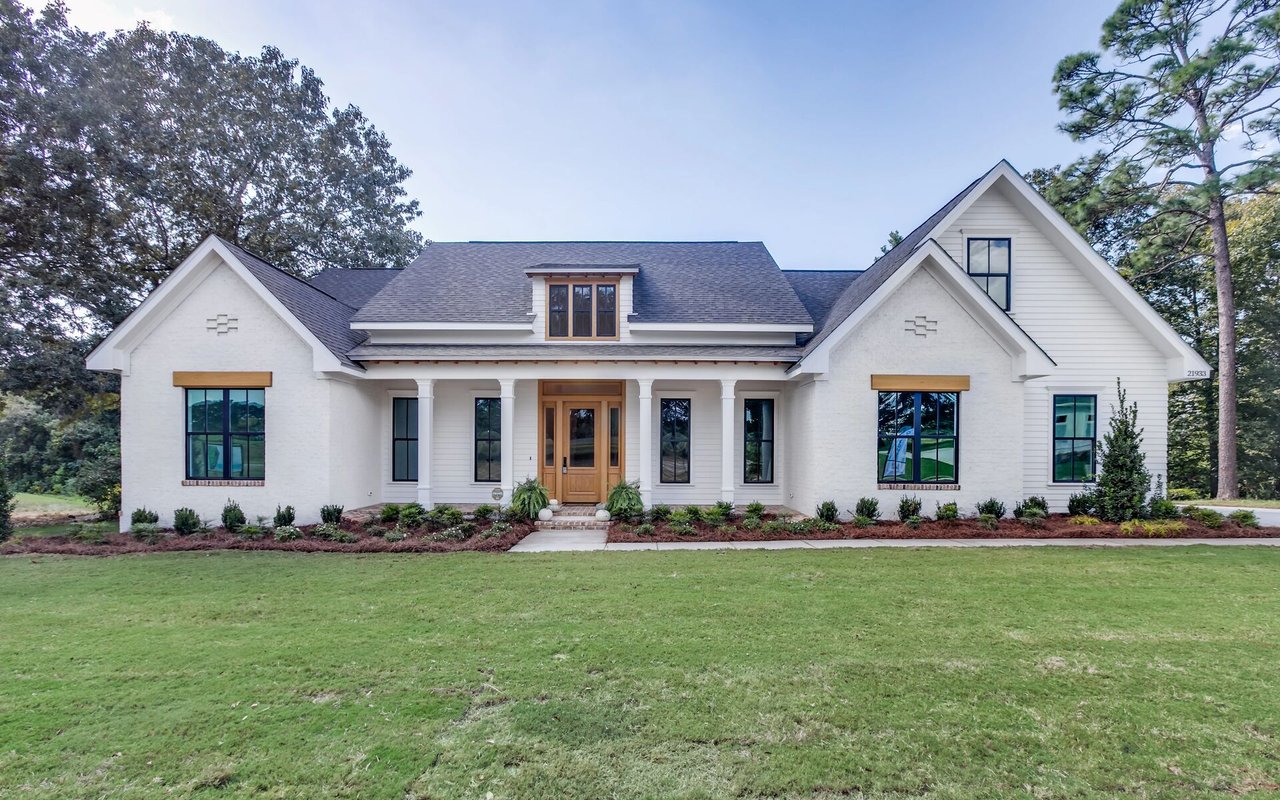
Online estimates can be a starting point, but they do not always reflect the full picture. Automated systems may not know the condition of your home, recent updates, lot features, outbuildings, finished spaces, layout differences, or unique improvements.
A proper home value review considers much more than a single number on a website.
Several factors can influence your home’s market value, including:
Neighborhood, school district, proximity to amenities, and local demand all matter.
A well-maintained home may appeal to more buyers and perform better in the market
Kitchens, bathrooms, flooring, mechanical systems, windows, roofs, and exterior improvements can all impact value.
Recent sales of similar homes nearby help establish what buyers have been willing to pay
Your home is not just compared to what has sold. It is also compared to what buyers can purchase right now.
Inventory, interest rates, buyer demand, and local trends all play a role.

Overpricing can cause a home to sit on the market longer than expected. When a home sits, buyers may begin to wonder if something is wrong, even if there is not.
A price reduction can help, but sometimes the strongest activity happens early when the listing first goes live. That early momentum matters.
Underpricing may create attention, but it needs to be done strategically. The goal is not just to get activity. The goal is to help you make a smart decision based on your goals, timeline, and market conditions.
Real estate is local. Your pricing strategy should be based on local market data, current buyer behavior, and the specific features of your home.
A local real estate professional can help you understand where your home fits in the market and how to position it effectively
Know Your Home's Worth
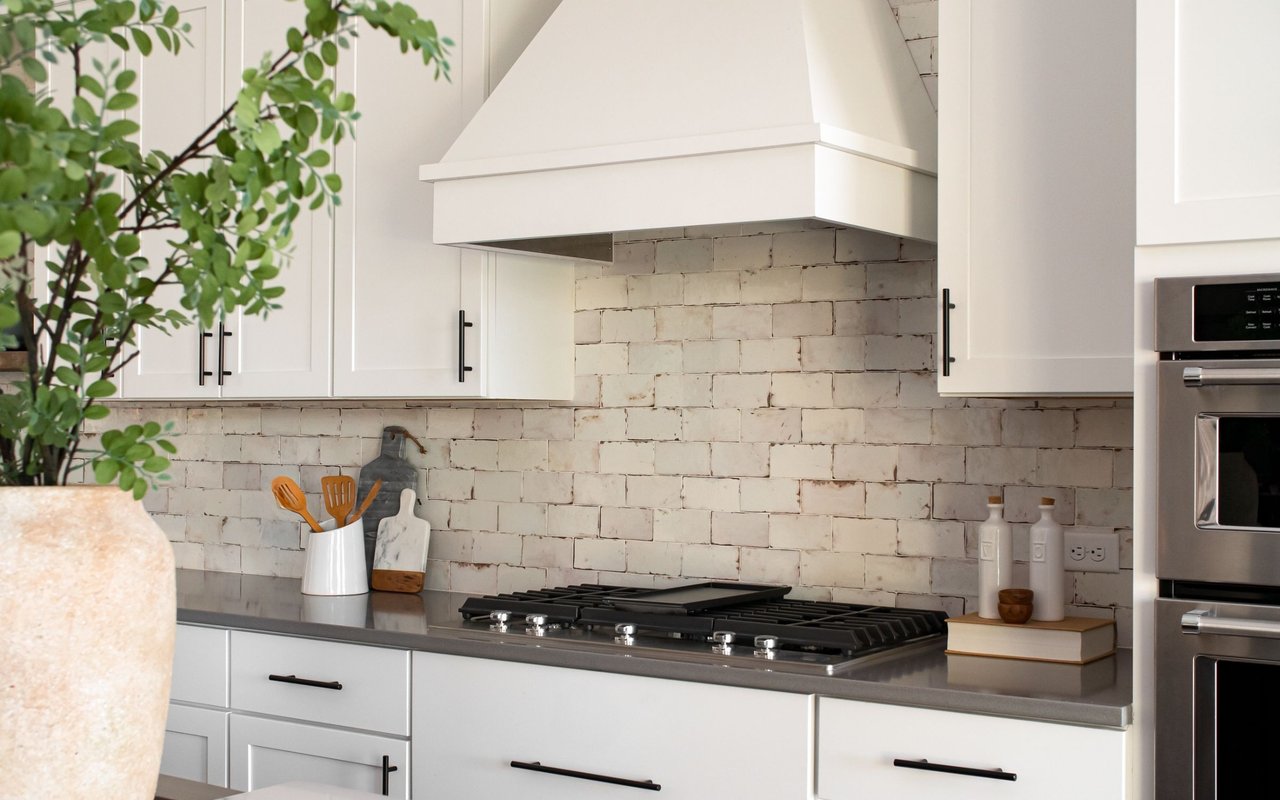
Homeownership comes with ongoing responsibility, and seasonal maintenance can help protect your investment. Tasks like cleaning gutters, replacing HVAC filters, checking smoke detectors, servicing heating and cooling systems, inspecting exterior caulking, and preparing outdoor faucets for winter can prevent larger issues down the road.
Staying ahead of maintenance not only helps keep your home comfortable and safe, but it may also preserve value when it comes time to sell.

get a quote
Home valuations give you valuable knowledge that can help you plan for the future and make smart decisions. It’s good practice to stay informed about how much equity you have in your home and how much you may be able to borrow against it or sell it for.
Our tool provides a more robust, accurate assessment than you’ll get from the major real estate portals. For the most precise valuation, reach out to discuss a customized Comparative Market Analysis or an appraisal.
A home valuation determines the current market value of a residential property. It is crucial for real estate transactions, preventing excessive borrowing and financial losses. When getting a mortgage, the home acts as collateral. If the borrower defaults, the lender may sell the property to recover funds. A thorough home valuation safeguards the lender's ability to recover costs if the mortgage is not fully repaid.
The value of your home is calculated using a combination of factors including its location, age, size, condition, any improvements or renovations made, and recent sale prices of comparable homes in the neighborhood. It also factors in current market trends and local market conditions. The valuation tool is dynamic and can be influenced by data such as inventory trends, interest rates, and current buyer sentiment.
Online home valuations provide a good starting point and offer a general estimate of your property’s worth. However, they may not factor in recent renovations, unique features, historical value, architectural significance, and subjective market perception that could impact your home’s actual market value. For the most accurate assessment, consider scheduling an in-person appraisal.
Know Your Home's Worth
Two Accurate Ways to Perform Home Valuations
MARKET ANALYSIS
A Comparative Market Analysis (CMA) is a tool used by real estate agents to value a home. It evaluates similar homes that have recently sold in the same area. Agents find comparable sales and use them to conduct a sales comparison. In most cases, an agent will find three homes that have recently sold and are as similar to and located as close to the home being valued as possible. Each one is then analyzed to pinpoint differences between it and the home being valued. Once these differences are priced out, the price of each comp is adjusted to see what it would cost if it was identical to the home being valued were it to be sold in the current market.
APPRAISALS
An appraisal is an unbiased valuation of a home based on a professional’s opinion. They are usually what mortgage companies use for home purchases and refinances. A lender usually orders a home appraisal and the cost of the appraisal, sometimes up to $500, is paid by the homeowner. An appraiser does a complete visual inspection of the interior and exterior of the home as well as taking into consideration recent sales of similar properties and market trends. The appraiser then compiles a detailed report on the home, including an exterior building sketch, a street map showing the home and any comparable sales, photos of the home and street, an explanation of how the square footage was calculated, and any other relevant information.
Situations When a Home Valuation May Be Necessary
REFINANCING
Lenders base the amount of their loans on the value of your property and usually allow you to borrow a maximum of 75% to 96.5% against your property. Knowing what your home is worth allows lenders to calculate your equity in the home. The more equity you have, the better terms you will receive on your refinance.
HOME IMPROVEMENTS
If you’re doing home improvement projects to increase the resale value, you want to make sure you’re not pricing it out of the market. If your home is already priced on the high-end for your neighborhood, making too many improvements could make it more difficult to sell. When you get a valuation, you can see how your home compares with others in the neighborhood and let this guide your home improvement decisions.
QUALIFYING FOR CREDIT
If you want to borrow cash against your home, getting a Home Equity Line of Credit (HELOC) could be a good option. To qualify, you must have a certain level of equity in your home. Most lenders require at least 20%. Getting a home valuation will help you determine if you qualify and will be used by the lender to make a decision on your loan.
PLANNING
Though it’s not a necessity, simply knowing the value of your home is good information to have. It will help you plan for the future and deal with unforeseen circumstances when you might be in a position that requires extra money or a quick relocation. Knowing how much equity you have in your home and how much you may be able to borrow against it or sell it for will help you respond to any financial curveballs that life throws at you.

2567 E Main St Ste A Lancaster, OH 43130
2567 E Main St Ste A Lancaster, OH 43130