If you want a place that feels connected, practical, and full of local character, Lancaster, Ohio, deserves a closer look. You may be trying to balance home prices, commute options, everyday convenience, and the kind of community feel that is hard to measure on a listing page. The good news is that Lancaster offers a mix of historic identity, approachable housing, outdoor space, and regional access that appeals to a wide range of buyers and sellers. Let’s dive in.
Lancaster feels like a true small city
Lancaster is a mid-sized city in Fairfield County with a 2025 population estimate of 41,956. At about 19 square miles with roughly 2,166 people per square mile, it offers a compact layout that feels more like a fully developed small city than a spread-out suburb.
That matters in day-to-day life. Instead of feeling disconnected or overly spread out, Lancaster tends to offer a more defined sense of place. You can see that in its downtown identity, established neighborhoods, and the way local landmarks shape the city’s look and feel.
Historic character stands out
One of the clearest things you notice about Lancaster is its visible historic character. The Historic Lancaster District contains the city’s largest concentration of historic and architecturally significant properties, including the Sherman House, the Decorative Arts Center of Ohio, the Fairfield County Courthouse, Lancaster City Hall, the Georgian, and many private homes, businesses, and churches.
If you enjoy older architecture and a downtown with a sense of history, Lancaster has that built in. It does not feel like a place where everything was built at once. Instead, you get a city with layers, which can make everyday living feel more rooted and distinctive.
What that means for homeowners
If you buy in or near the historic district, you may find homes with more architectural detail and older construction. You should also know that exterior changes within the district require a Certificate of Appropriateness, which adds an extra layer of review for preservation-sensitive properties.
For some buyers, that is a big plus because it helps protect the area’s character. For others, it means you will want clear guidance before planning exterior updates. Either way, it is part of what makes Lancaster different from more uniform communities.
Housing offers a broad range
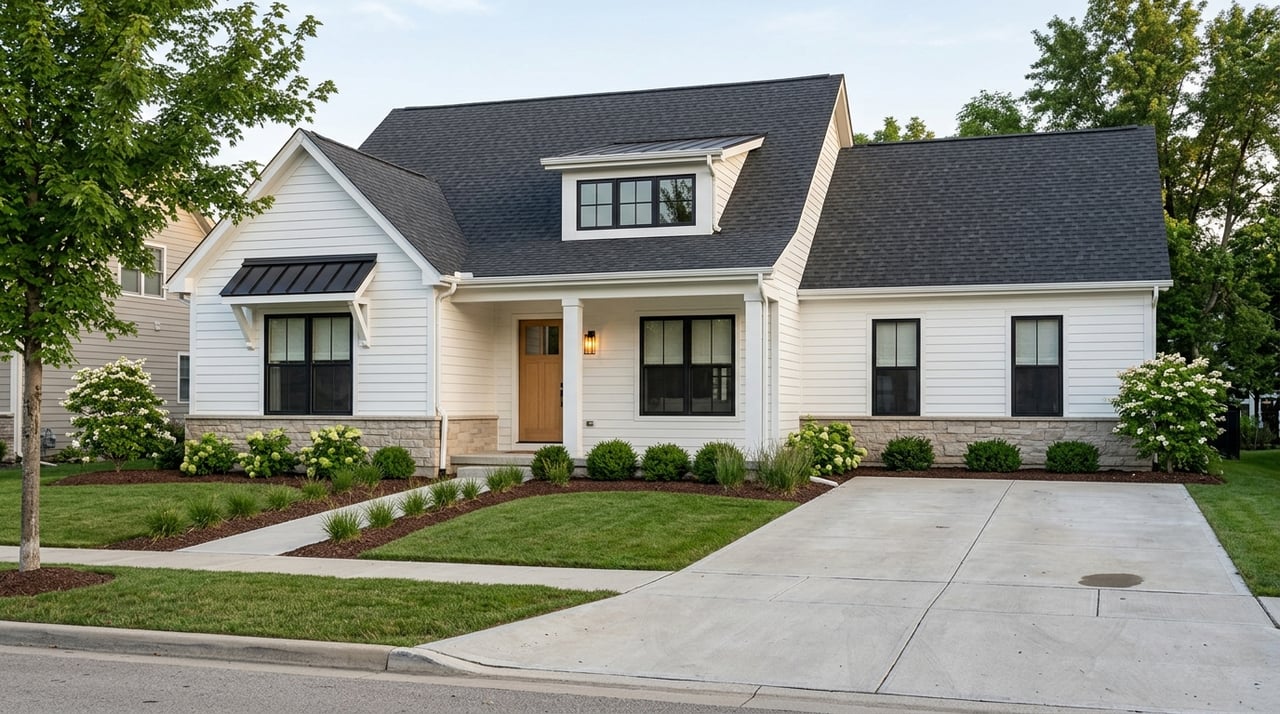
Lancaster’s housing stock includes 18,317 housing units, with 92% occupied and 59% owner-occupied. Single-unit homes make up the majority of the housing mix at 74%, which means detached homes are a major part of what you will see across the city.
That housing mix can be appealing if you want options beyond one narrow price point or one style of neighborhood. Whether you are buying your first home, moving up, or preparing to sell, Lancaster offers a market with variety rather than a one-size-fits-all pattern.
Price points are still relatively approachable
The value distribution of owner-occupied homes shows a large share in accessible ranges. About 11% are valued under $100,000, 41% fall between $100,000 and $200,000, and 28% fall between $200,000 and $300,000.
The U.S. Census Bureau lists the median value of owner-occupied housing units at $193,900. It also reports median monthly owner costs of $1,354 for owners with a mortgage and $543 for owners without a mortgage, while median gross rent is $1,083.
Current market trackers show higher and more current pricing signals. Recent figures from major housing platforms place Lancaster home values, sale prices, and listing prices largely in the mid-$200,000s, depending on the source and method used. Read together, these numbers suggest a market where many homes still sit in the $100,000 to $300,000 value bands, while active listings and recent sales often trend higher.
What buyers and sellers can take from that
If you are a buyer, Lancaster may still offer more flexibility than many higher-cost markets, especially if you are open to different home ages, sizes, or locations within the city. If you are a seller, this mix shows why pricing strategy matters. Broad online averages do not always tell the full story, especially in a market with both older homes and updated properties.
Outdoor life is part of daily living
Lancaster has a strong park culture that feels local and neighborhood-oriented. City materials highlight larger parks such as Rising Park, Alley Park, Keller-Kirn, and the Bike Trail, and the city’s Adopt-A-Park program encourages community groups to stay involved with parks near homes, schools, businesses, and gathering places.
That tells you something important about everyday life here. Parks are not just extras on a map. They are part of how residents use and enjoy the city.
Rising Park and the bike trail add variety
Rising Park is one of Lancaster’s signature outdoor spaces and surrounds Mt. Pleasant. The Fairfield County Fairgrounds sit at the foot of Mt. Pleasant, cover 65 acres, and host the oldest fair of continuous operation in Ohio.
Lancaster Parks & Recreation also identifies the Fairfield Heritage Trail in Lancaster as a bike trail and a ride-walk-run corridor. If you like easy outdoor options without leaving town, this kind of amenity can make a real difference in your routine.
Local events and culture help shape community life
Lancaster is not only about homes and commute times. It also has a strong arts-and-history layer that adds depth to the city. The Ohio Glass Museum is located on Main Street, and the Decorative Arts Center of Ohio serves as a museum and cultural center in historic Lancaster.
Community life also shows up in the city’s operations. The transportation department handles road closures for the Holiday and 4th of July parades, Art Walk, and other downtown events. That gives you a practical sign that public events are an active part of the local calendar, not just occasional extras.
A city with year-round points of interest
For residents, this can translate into more ways to enjoy where you live. You have parks, trails, downtown events, museums, and the county fair all woven into the local experience. If you want a city that offers things to do without needing a major-metro pace, Lancaster makes a strong case.
Commuting is convenient, but driving still leads
Lancaster’s official transportation information says the city is about 30 minutes from downtown Columbus. It also notes access to US Route 33, US 22, and state routes 37, 188, and 158, along with public transit service, taxi services, rail access, and local airports.
That regional access is a real advantage if you want small-city living without giving up connection to larger job centers and destinations. For many households, Lancaster can offer a practical middle ground between local comfort and regional reach.
Day-to-day travel is mostly car-based
Even with transit available, daily commuting in Lancaster is still mostly car-oriented. Census data shows 77% of workers drive alone, 8% carpool, 1% bicycle, 3% walk, and 9% work from home, while public transit use registers at 0% in the reported commute mix.
The mean travel time to work is 27.7 minutes. The city also maintains 400 lane miles of streets, 41 miles of alleys, 77 signalized intersections, and bike-trail crossing flashers, while handling snow and ice control and downtown event closures. Together, that paints a picture of a city where roads play a big role in daily life.
Who may feel at home in Lancaster
Lancaster can appeal to a wide range of buyers because it offers several things at once:
- A compact small-city layout
- A visible historic downtown identity
- A housing mix led by single-unit homes
- Outdoor spaces that are easy to use regularly
- Local arts, museums, and community events
- Regional access to Columbus and surrounding routes
If you want a place that feels established instead of generic, Lancaster stands out. If you want practical housing options with local character, it is worth serious consideration.
Why local guidance matters here
Lancaster is the kind of market where details matter. Home age, location, condition, and proximity to historic areas can all affect value and the buyer experience. A newer online estimate may not capture the full story of a specific property, especially when the city includes everything from older character homes to more typical single-family inventory.
That is where local knowledge becomes especially valuable. Whether you are buying your first place, moving into a different stage of homeownership, or preparing to sell, having clear advice can help you make decisions with more confidence and fewer surprises.
If you are thinking about making a move in Lancaster or anywhere nearby in Fairfield County, working with a broker who knows the local market can help you compare neighborhoods, understand pricing, and plan your next step with a strategy that fits your goals. When you are ready, connect with Cory M Neville for practical guidance and local insight.
FAQs
What is Lancaster, Ohio, like for everyday living?
- Lancaster offers a compact small-city feel with a defined downtown, historic character, neighborhood parks, community events, and practical access to Columbus.
What types of homes are most common in Lancaster, Ohio?
- Single-unit homes are the most common housing type in Lancaster, making up 74% of the city’s housing stock.
Are home prices in Lancaster, Ohio, still affordable?
- Many owner-occupied homes fall in the $100,000 to $300,000 range, while current listings and recent sales often land in the mid-$200,000s, depending on the property and data source.
Does Lancaster, Ohio, have a historic district?
- Yes. The Historic Lancaster District includes the city’s largest concentration of historic and architecturally significant properties, and exterior changes there require a Certificate of Appropriateness.
What are some things to do in Lancaster, Ohio?
- Residents enjoy parks like Rising Park, the Fairfield Heritage Trail, downtown events such as parades and Art Walk, the Ohio Glass Museum, the Decorative Arts Center of Ohio, and the Fairfield County Fairgrounds.
How far is Lancaster, Ohio, from Columbus?
- The city says Lancaster is about 30 minutes from downtown Columbus, though actual travel time depends on route and traffic.