Thinking about selling your Lancaster home soon? In a market where many homes move in about a month and buyers often compare listings online before they ever book a showing, the way you prepare your home can shape both your timeline and your results. The good news is that you do not need to guess your way through it. With the right steps, you can focus on what matters most, avoid overspending, and launch with confidence. Let’s dive in.
Know the Lancaster market first
Lancaster is still an active market for sellers, but that does not mean every home will sell itself. Recent market snapshots show Lancaster as a very hot seller’s market, with homes selling near asking price on average and median days on market ranging from about 23 to 38 days depending on the source and time period.
That kind of market gives you opportunity, but it also raises the bar. Buyers move quickly when a home looks well cared for, is priced well, and shows strongly online. If your home misses the mark on presentation or pricing, you can still lose momentum.
Start with price and strategy
Before you clean a closet or buy a gallon of paint, start with pricing. A strong list price should reflect true comparable sales, current competition, and the condition of your home.
This matters in Lancaster because public market numbers can vary by source and month. That is why a local pricing conversation is so important. Your home’s size, updates, lot, layout, and location within the broader Lancaster area all affect how buyers will respond.
Why overpricing can slow you down
In a moving market, some sellers assume they can aim high and adjust later. The risk is that buyers notice when a home sits longer than competing listings, and that can weaken your negotiating position.
A smart price helps you attract attention early, when your listing is freshest. That first wave of buyer interest is often your best chance to create urgency and strong offers.
Consider a pre-sale inspection
A pre-sale inspection is not required, but it can be a useful planning tool. It may uncover issues before buyers do, giving you time to decide whether to repair the problem, price around it, or prepare for questions during negotiations.
If a bigger repair comes up, it is helpful to estimate the cost even if you do not plan to complete it before listing. Buyers often factor known repair costs into their offers, so having a clear understanding up front can help you make better decisions.
What an inspection can help you do
- Identify repairs that could affect value or buyer confidence
- Avoid last-minute surprises during contract negotiations
- Plan your prep budget more clearly
- Decide what to fix now and what to disclose later
Declutter before anything else
If you want one of the highest-impact steps, start here. National staging data shows that decluttering is one of the most common recommendations sellers receive, and for good reason.
When buyers walk through your home or scroll photos online, they want to see space, light, and function. Too much furniture, paperwork, storage bins, or personal items can make rooms feel smaller and more distracting.
What to remove first
Focus on items that add visual noise rather than comfort. Start with:
- Extra furniture that tightens walkways
- Countertop clutter in kitchens and baths
- Personal photos and highly specific decor
- Overflow from closets, shelves, and mudrooms
- Seasonal items and off-use toys or gear
You do not need to make your home look empty. You just want it to feel open, clean, and easy for buyers to understand.
Deep clean the whole house
A clean home sends a simple message: this property has been cared for. Even in a seller’s market, buyers notice dust, streaks, odors, and worn surfaces right away.
Priority cleaning areas should include windows, carpets, lighting fixtures, walls, kitchens, and bathrooms. If you have pets, pay close attention to flooring, upholstery, and any lingering smell, since scent can affect a buyer’s first impression fast.
Areas buyers notice most
- Front entry and foyer
- Kitchen counters and appliances
- Bathroom sinks, mirrors, and grout
- Floors and baseboards
- Windows and natural light
Improve curb appeal next
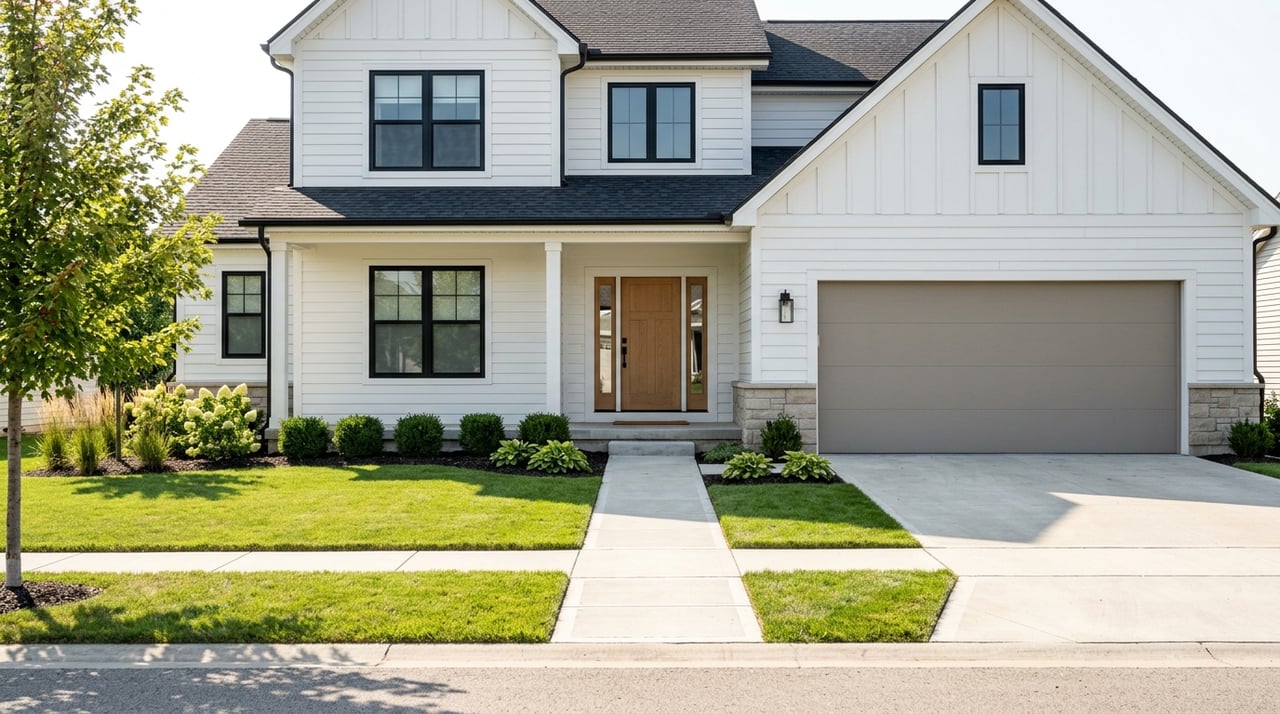
Curb appeal still matters in Lancaster because buyers often form an opinion before they even step inside. Research shows that outdoor appearance is important to buyer response, and it also affects how your home performs in photos and drive-bys.
The good news is that curb appeal improvements do not have to be major. Small exterior updates often do a lot of work.
Simple curb appeal updates
- Mow and edge the lawn
- Trim shrubs and remove dead plants
- Add fresh mulch where needed
- Touch up peeling paint
- Clean the front door and porch area
- Replace tired entry hardware or lighting
Your front entrance sets the tone for the rest of the showing. If that first impression feels fresh and cared for, buyers walk in with more confidence.
Make targeted cosmetic fixes
Once the home is clean and decluttered, look for small repairs and visual upgrades that improve the overall feel. In most cases, these are a better use of money than major remodels.
For many sellers, the best prep work includes fresh paint, lighting updates, hardware changes, basic roof upkeep, and minor condition fixes. These projects tend to support photos, showings, and buyer confidence without pushing you into expensive renovations that may not pay off.
Focus on fixes with visible impact
Here are the updates that often make the most sense before listing:
- Neutral paint in worn or bold rooms
- Loose handles, hinges, or trim repairs
- Burned-out or dated light fixtures
- Entry door refreshes
- Caulking touch-ups in baths and kitchens
- Small flooring or wall repairs
A steel front door is one example of a project that can recover strong value at resale, according to national remodeling guidance. Still, most sellers do best when they fix what buyers will notice first rather than chasing large optional projects.
Think carefully before a major remodel
It is easy to wonder if you should redo the kitchen or take on a bigger renovation before you sell. In most cases, major remodels only make sense when they solve a clear problem or fit your home’s likely price point and competition.
That is especially true in a market like Lancaster, where homes can move quickly when they are simply clean, well-priced, and well-marketed. You usually do not need to create a brand-new house. You need to present your current one in its best light.
Prioritize staging and photos
Staging helps buyers picture how a home can live, and photos often determine whether they want to see it in person. Recent survey data shows that buyers’ agents place especially high importance on listing photos, even more than traditional staging, video, or virtual tours.
That does not mean every room needs a full redesign. It means the home should be photo-ready before it goes live.
Rooms that matter most
The rooms most commonly seen as important to stage are:
- Living room
- Primary bedroom
- Dining room
- Kitchen
If your budget is limited, focus there first. A few thoughtful adjustments in these spaces can improve both your online presentation and in-person flow.
Why timing photos matters
Do not schedule the listing to go live before the house is truly ready. In Lancaster, where buyer activity can move fast, your first days on market matter.
That is why professional photos and final staging should be treated as launch essentials. It is usually better to list a little later with the home fully prepared than to rush to market with unfinished prep.
Understand Ohio disclosure rules
Ohio requires a residential property disclosure form for most residential real property transfers. The form covers items such as water supply, sewer or septic systems, roof, foundation, walls, floors, hazardous materials, and material defects within your actual knowledge.
If new information comes up later, disclosures can be amended in writing. The key is to be accurate, timely, and thorough based on what you actually know about the property.
Lead-based paint rules for older homes
If your home was built before 1978, federal rules require sellers of most homes in that age range to disclose known lead-based paint hazards and provide the required lead information before contract.
If you hire a contractor for renovation, repair, or painting that may disturb lead paint, trained and certified firms may be required to use lead-safe work practices. This can matter during prep if you are sanding, painting, replacing windows, or doing similar updates.
Build a realistic prep timeline
A smooth sale usually starts weeks before your listing goes live. The goal is not to do everything at once. The goal is to do the right things in the right order.
Here is a practical way to think about the process.
A simple step-by-step prep order
- Review pricing strategy and market position
- Discuss whether a pre-sale inspection makes sense
- Declutter and remove excess furniture or storage
- Deep clean the home top to bottom
- Improve curb appeal and front entry appearance
- Complete targeted cosmetic fixes
- Finalize disclosures and note any known issues
- Stage key rooms for presentation
- Schedule professional photos
- Launch only when the home is fully ready
This order helps you spend money where it counts and avoid doing work twice.
Why local guidance matters in Lancaster
Online estimates and broad market headlines can only tell you so much. Lancaster and Fairfield County market data is helpful, but it does not replace a local strategy built around your specific home.
That is where broker-level guidance can make a difference. A thoughtful listing plan helps you balance prep costs, likely pricing, timing, disclosures, and marketing so you can move forward with clarity instead of guesswork.
If you’re planning to sell in Lancaster and want a practical, honest plan for pricing, prep, and launch timing, connect with Cory M Neville. You’ll get local insight, clear next steps, and support built around your goals.
FAQs
Do I need a pre-sale inspection before selling a home in Lancaster?
- No, a pre-sale inspection is not required, but it can help you uncover issues early and decide whether to repair, disclose, or price around them.
Which rooms should I stage before listing a Lancaster home?
- The living room, primary bedroom, dining room, and kitchen are the rooms most often seen as most important for staging.
Are major remodels worth it before selling in Lancaster?
- Usually only if they solve a clear problem or make sense for your home’s price point and competition. Many sellers get better results from cleaning, paint, minor repairs, and curb appeal work.
What disclosures are required when selling a home in Ohio?
- Ohio requires a residential property disclosure form for most residential transfers, covering items such as water, sewer or septic, roof, foundation, hazardous materials, and other material defects within your actual knowledge.
Should I wait for a certain week to list my Lancaster home?
- The better strategy is usually to list when your home is fully prepared, photo-ready, and priced correctly rather than forcing a date before the property is market-ready.