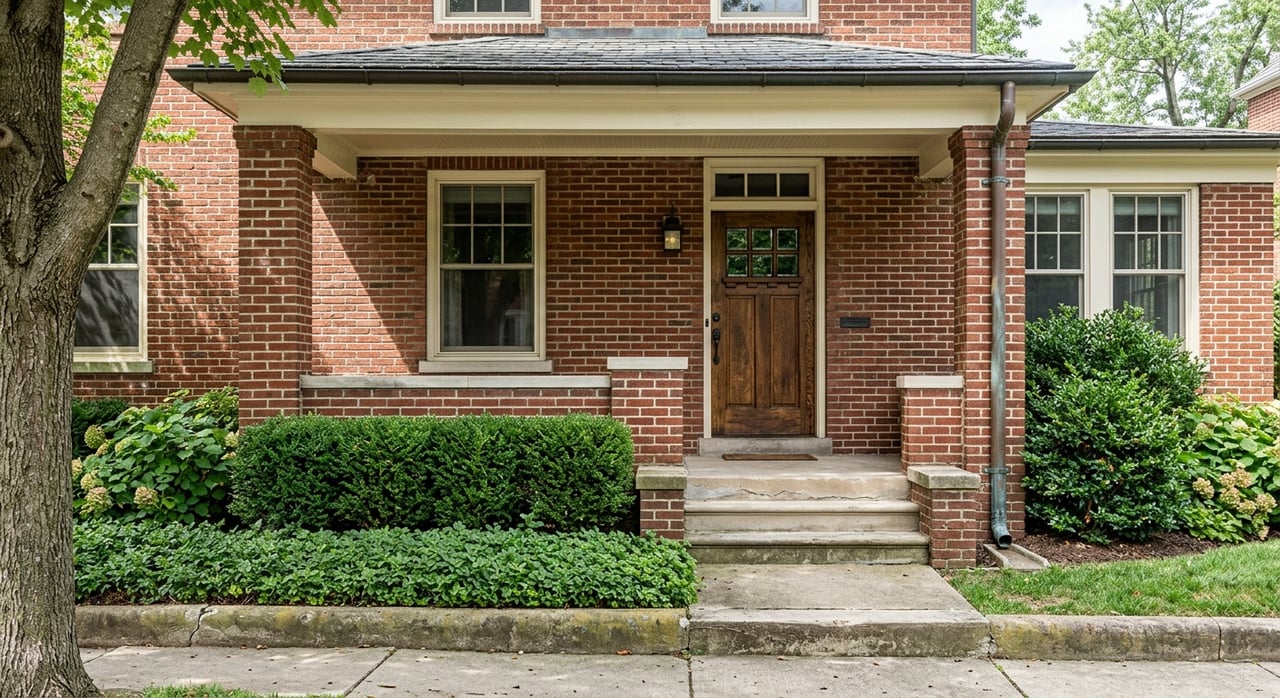
If you love the idea of character, craftsmanship, and a neighborhood with a story, Zanesville deserves a closer look. Buying a historic home can feel exciting and a little overwhelming at the same time, especially when you are trying to understand which area fits your style and what older-home ownership really involves. This guide will help you explore Zanesville’s best-known historic neighborhoods, recognize the architectural details that matter, and use local tools to research a property with more confidence. Let’s dive in.
Why Zanesville Stands Out
Zanesville’s historic housing story is tied to early settlement near the river, 19th-century growth, and later neighborhood planning. The City of Zanesville highlights three major historic residential districts: Putnam, McIntire Terrace, and Brighton. Together, they offer a broad mix of 19th- and early-20th-century homes and streetscapes.
The city’s historic identity also reaches beyond its residential areas. In February 2024, the Downtown Zanesville Historic District was listed in the National Register of Historic Places. While downtown is primarily commercial, that designation helps show how the city’s older neighborhoods connect to a larger historic core.
Historic Neighborhoods in Zanesville
Putnam
Putnam is the earliest of Zanesville’s three main historic residential districts. It covers about ten square blocks directly across the river from downtown and reflects some of the city’s earliest development, followed by later 19th-century growth and some early-20th-century changes.
As you walk or drive through Putnam, you are likely to notice a more urban historic feel. The neighborhood includes mature street trees, sidewalks, brick-paved streets, some visible streetcar tracks, stone curbs, and smaller gardens and yards. You may also see early commercial storefronts, a historic school, and several churches tucked along quieter side streets.
For buyers who appreciate early architecture and a strong sense of place, Putnam offers one of the clearest windows into Zanesville’s beginnings. Its layout and details can feel especially appealing if you want a home that is closely tied to the city’s oldest built environment.
McIntire Terrace
McIntire Terrace sits on a hillside northeast of downtown and was platted in 1855. It was one of Zanesville’s earliest suburbs and became more prominent after the 1913 flood, when some residents moved to higher ground.
This neighborhood has a different rhythm than Putnam. You will find a mix of grid and curving streets, larger yards, sidewalks, and a mature tree canopy. The housing stock is also especially varied, with styles that include Italianate, Queen Anne, Stick, Shingle, Colonial Revival, Georgian Revival, English Revival, and several vernacular house forms.
If you are drawn to hillside settings, larger lots, and a wide range of architecture, McIntire Terrace may stand out. It offers a historic setting with a more suburban feel than the tighter streetscape you see in Putnam.
Brighton
Brighton was platted later, in the late 19th century, and has a strong residential identity. Its layout is one of its most distinctive features, with a broad main thoroughfare, a regular grid pattern, and wide landscaped medians.
Another defining feature is the use of alleys. Garages and outbuildings are generally placed at the rear of properties, which helps limit curb cuts along the main streets. That planning choice supports a cleaner streetscape and adds to the neighborhood’s historic character.
Brighton is made up mostly of single-family homes from the late 19th and early 20th centuries. Common styles include Colonial Revival, English Revival, gabled ell, bungalow, foursquare, and Dutch Colonial Revival homes. If you like planned historic streets with a distinctly residential look, Brighton is worth a close look.
What Home Styles You May See
Zanesville’s historic districts include a wide range of architecture, and learning a few visual clues can help you narrow your search.
Early styles in Putnam
Federal and Greek Revival homes are especially strong in Putnam. These homes often feature symmetrical three-bay or five-bay facades, gabled rooflines, six-over-six windows, and entry details like transoms or sidelights.
If you like clean lines and a more formal historic appearance, these homes may appeal to you. They often reflect the earliest chapter of residential development in the area.
Decorative Victorian-era homes
Italianate and Second Empire houses can appear in Putnam and McIntire Terrace. Look for shallow hipped roofs or mansard roofs, bracketed cornices, projecting bays, and decorative porches.
Queen Anne homes are found in all three districts. These are often easier to spot because of their asymmetrical shapes, mixed roof forms, varied window sizes, turrets or projecting bays, and wraparound porches.
McIntire Terrace is also closely associated with Stick and Shingle homes. If you enjoy more expressive architecture with layered materials and complex rooflines, this area may offer the style variety you want.
Formal early-20th-century styles
Colonial Revival, Georgian Revival, Dutch Colonial Revival, and English Revival homes bring a more formal turn-of-the-20th-century look. These houses may include symmetrical facades, dormers, classical porches, gambrel roofs, and in the case of English Revival homes, materials such as stone, stucco, brick, and half-timbering.
These styles appear in McIntire Terrace and Brighton and help define the look of later historic development in Zanesville. For many buyers, they offer a balance between historic character and familiar traditional design.
Vernacular homes with historic character
Not every historic home is highly ornate. Vernacular forms such as the I-house, gabled ell, foursquare, and bungalow are common across Zanesville’s historic districts and are an important part of the city’s character.
These homes may be simpler in appearance, but they still contribute to the historic feel of the neighborhood. If you want an older home with character but less ornamentation, these styles may be a great fit.
What Older-Home Ownership Often Means
Owning a historic or older home in Zanesville often means thinking about preservation and maintenance a little differently. The city’s guidance emphasizes repair and rehabilitation rather than wholesale replacement.
That approach applies from the foundation to the roof and also includes site features such as landscaping, fences, garages, outbuildings, and additions. The goal is to preserve as much historic material as possible while using modern materials carefully when needed.
Focus on water control
In many older homes, water management is one of the most practical maintenance priorities. The City of Zanesville’s guidance for foundations recommends sloping soil away from the house, watching for leaking gutters or downspouts, keeping plantings away from foundation walls, and avoiding the closure of ventilation openings.
Those steps may sound simple, but they can help protect both the structure and historic materials over time. For buyers considering an older property, this is a helpful reminder that routine upkeep can play a big role in long-term preservation.
Be careful with changes
The city also cautions against certain foundation changes that can affect appearance or create moisture and structural problems. Examples include covering a stone foundation with new material, cutting new foundation openings, or filling original basement windows with glass block.
If you are planning updates, it helps to understand which features are part of the home’s historic character before making changes. That is one reason local research matters so much during your search.
How to Research a Historic Home
One of the best parts of shopping for a historic home in Zanesville is that you have access to strong local research tools. Instead of relying on guesswork, you can build a clearer picture of a property’s history.
Start with the Muskingum County Recorder
The Muskingum County Recorder is a smart first stop for the paper trail. The office says its online system can be searched for property records, records are updated daily on weekdays, and historical indexes can support earlier research.
The office also notes that its land records date back to 1803. Recorded documents include deeds, mortgages, plats, easements, liens, and related filings, which can help you trace ownership and property changes over time.
Check the Muskingum County Auditor
The Muskingum County Auditor’s real-estate search can help you look up a parcel, owner, or address. It can also provide transfer and tax-related information.
For buyers, this can be useful for confirming parcel boundaries, ownership history, and assessment context before or during an offer. It is a practical step when you want to compare the charm of a home with the facts behind the property.
Use the City of Zanesville GIS tools
The City of Zanesville offers several GIS resources, including a Historic Map Viewer, a City GIS Map, a services finder, and an interactive zoning map. The city says its historic maps are compiled from official records such as plats, surveys, and recorded deeds.
The city also notes that original recorded documents should be used for legal or survey questions. Even so, these mapping tools can make the history of a home feel much more tangible as you compare old plats, neighborhood layouts, and current parcel information.
National Register vs Local Historic Rules
This is an important distinction for buyers. A property being listed in the National Register of Historic Places is not the same as being subject to local historic regulation.
According to the National Park Service, National Register listing does not restrict what a private owner may do unless federal assistance is involved. Zanesville’s HO Historic Overlay District is different because the city says it adds requirements beyond underlying zoning to protect structures and neighborhoods with special historic character, promote compatible investment, preserve property values, and prevent blight.
If you are seriously considering a historic property, it is smart to verify whether local overlay requirements apply. That can help you understand renovation expectations before you buy.
Choosing the Right Historic Setting
The best historic neighborhood for you depends on what kind of setting and home style you want. Putnam may appeal to you if you want early river-adjacent development and a more urban historic streetscape. McIntire Terrace may fit if you prefer hillside surroundings, larger yards, and broad architectural variety. Brighton may stand out if you like planned residential streets, rear alleys, and wide landscaped medians.
What makes Zanesville especially compelling is that these three areas each tell a different part of the city’s story. For buyers who value character, layout, and local history, that gives you real options rather than one single historic-home experience.
If you are exploring historic homes in Zanesville and want practical guidance on where to start, neighborhood fit, or how to evaluate a property with confidence, Cory M Neville is here to help.
FAQs
What are the main historic neighborhoods in Zanesville for homebuyers?
- The three major historic residential districts highlighted by the City of Zanesville are Putnam, McIntire Terrace, and Brighton.
What makes Putnam unique among historic neighborhoods in Zanesville?
- Putnam is the earliest of the three districts and is known for its river-adjacent setting, brick-paved streets, stone curbs, sidewalks, mature trees, and early- to mid-19th-century buildings.
What kinds of home styles can buyers find in McIntire Terrace?
- Buyers may see Italianate, Queen Anne, Stick, Shingle, Colonial Revival, Georgian Revival, English Revival, and vernacular homes such as gabled ell, bungalow, and foursquare houses.
What should buyers know about maintaining an older home in Zanesville?
- The city’s guidance emphasizes repair and rehabilitation, with particular attention to water control through proper grading, gutter and downspout maintenance, plantings kept away from foundations, and preserved ventilation openings.
How can buyers research the history of a property in Muskingum County?
- A good starting point is the Muskingum County Recorder for deeds and land records, followed by the Muskingum County Auditor for parcel and transfer information, and the City of Zanesville GIS tools for historic maps and zoning context.
Does National Register listing change what a homeowner can do with a historic property in Zanesville?
- National Register listing alone does not restrict a private owner’s actions unless federal assistance is involved, but local requirements may apply if the property is within Zanesville’s HO Historic Overlay District.